
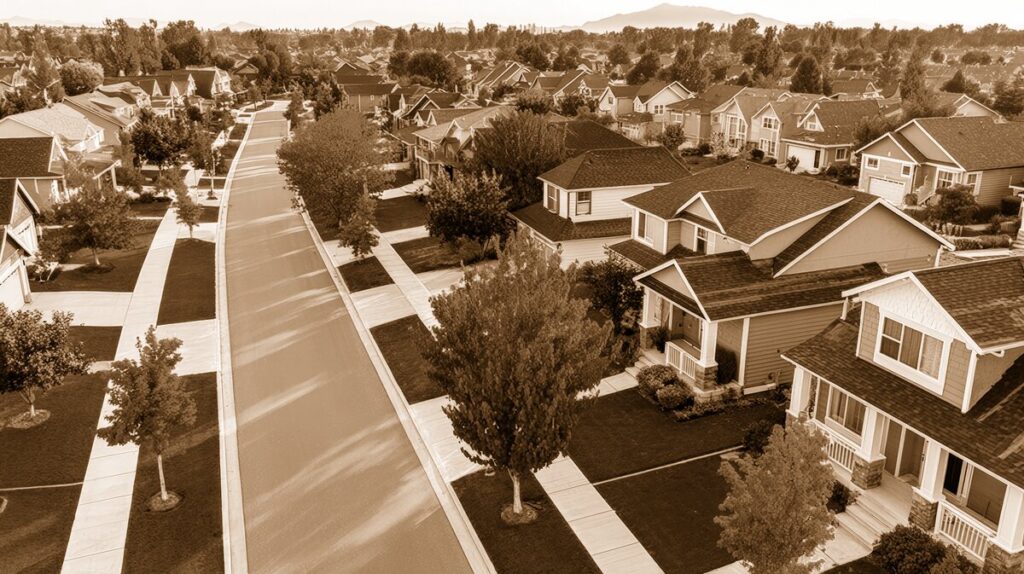
Nestled just north of Fort Collins’ famous Old Town Square, Old Town North is a neighborhood where history lingers on every corner and the spirit of community is unmistakable. While hip coffee shops and bike paths signal the area’s bright future, its roots run deep—stretching back to the earliest days of Fort Collins itself. As any longtime resident will tell you, Old Town North is so much more than a location; it’s a living archive of local heritage and a testament to what makes Fort Collins such a special place.
The Origins: How Old Town North Got its Name
The origins of Old Town North are intimately tied to the broader story of Fort Collins. Established in the late 19th century, Fort Collins grew up along the path of the Cache la Poudre River, first as a military outpost and then as a vibrant agricultural town. As the original “Old Town” blossomed south of the river, the area directly north—then a patchwork of fields and grazing land—became known as Old Town North.
The name evokes both its geographical relationship and a continuation of the Old Town legacy. Old Town North emerged as a natural extension of the historic downtown district, but with a quieter, more residential character. Over time, the moniker stuck, and the area became an anchor for those seeking proximity to the downtown action, but within a distinct neighborhood all its own.
Pivotal Historical Milestones
Old Town North became officially recognized as part of the city’s organized neighborhoods in the latter half of the 20th century, but its development stretches further back. Key milestones include:
- Arrival of the Railroad: In the late 1800s, the Colorado Central Railroad brought goods, people, and opportunity north of the river. Remnants of the original rail lines can be seen near the intersection of Lemay Avenue and Vine Drive, a reminder of the area’s industrial heritage.
- Agricultural Roots: Before the influx of homes and parks, Old Town North was home to small farms and dairies—a tradition still recognized today in the design of some modern homes that mimic old barn architecture.
- Urban Renewal and Expansion: The 1990s and early 2000s marked a significant transformation. Old Town North saw an influx of urban planners and forward-thinking developers who sought to blend the area’s rustic roots with new infrastructure, resulting in bike-friendly streets, more green spaces, and a dedication to sustainable design.
Notable Landmarks and Institutions
Old Town North may be compact, but it boasts an array of memorable landmarks and gathering places:
- The Poudre River Whitewater Park: One of the neighborhood’s most modern gems, this park off East Vine Drive celebrates both Fort Collins’ love for the outdoors and the vital role the river has played in the city’s growth. Today, you can watch kayakers and tubers enjoying the rapids, a nod to both tradition and recreation.
- Buckingham Park: Home to soccer fields, playgrounds, and shaded paths, Buckingham Park (located at 1000 Buckingham St.) is a community touchstone—a favorite for weekend picnics and summer evenings.
- The Northern Hotel: Just to the south, this restored 1930s hotel at 172 North College Avenue remains one of the city’s most recognized buildings and serves as a boundary marker for Old Town North’s southern edge.
- The Old Fort Site: While the original fort was located near what is now Old Town Square, many remnants and commemorations—like public art and interpretive signs—can be found throughout Old Town North, tying the area back to its military origins.
Streets Where History Lives
Part of what gives Old Town North its unique character are the streets themselves—broad, tree-lined, and rooted in the city’s historical grid. Notable routes include:
- Linden Street: Stretching north from the Old Town core, Linden is a prime route into the neighborhood, lined with a mix of restored warehouses, modern condos, and historic cottages.
- Lemay Avenue: Once a boundary for farmland, today Lemay is a major artery that defines the eastern edge of Old Town North.
- Buckingham Street and Willow Street: These quieter lanes are dotted with homes that harken back to various eras in Fort Collins’ history, from modest miners’ cottages to chic, sustainable townhomes.
Evolution and Community Today
Old Town North has evolved from rural land to a vibrant residential district, but it hasn’t lost its heritage. The area’s master planning prioritizes walkability, green space, and architectural diversity, ensuring that every generation leaves its mark while honoring the past. Some ways the neighborhood has grown include:
- Focus on Sustainability: Many homes feature solar panels, reclaimed materials, and drought-resistant landscaping. Community gardens and native plant restorations along the Poudre River corridor are ongoing.
- Active Residents’ Associations: The Old Town North Homeowners’ Association organizes everything from block parties to historical walking tours, helping to knit the community together.
- Local Business Growth: While residents love their peace and quiet, Old Town North’s proximity to downtown means a short stroll to breweries, coffee shops, and the bustling Old Town Farmers’ Market.
Why Old Town North Stands Out
Ask any resident, and they’ll tell you: Old Town North offers the best of all worlds. You have easy access to Fort Collins’ cultural heart, but also an oasis of parks, riverside trails, and quiet streets that evoke the city’s roots. Today’s Old Town North is a proud custodian of local heritage, balancing progress and preservation in the true Fort Collins way. Whether you’re kayaking on the Poudre or strolling down Willow Street in the golden hour, you’re part of a story that’s over a century in the making—and still being written every day.